

Ice-O-Matic Troubleshooting Manual: A Comprehensive Guide
This manual provides detailed solutions for common Ice-O-Matic issues, including error codes, ice production problems, and component-specific diagnostics.
It’s a resource for maintaining optimal performance and extending the lifespan of your commercial ice machine.
Ice-O-Matic is a leading manufacturer of commercial ice machines, renowned for their durability and efficiency. These machines are vital for businesses in the food service, hospitality, and healthcare industries, providing a consistent ice supply for various applications. Understanding the intricacies of these systems is crucial for maintaining peak performance and minimizing downtime.
This section introduces the core components and operational principles of Ice-O-Matic machines. From the water inlet valve and distribution tubes to the harvest sensor and control board, each element plays a critical role in the ice-making process. Familiarizing yourself with these components will aid in accurate troubleshooting when issues arise. Recognizing common error codes and their associated symptoms is also essential for swift diagnosis and repair.
Regular maintenance and proactive troubleshooting are key to preventing costly repairs and ensuring a reliable ice supply. This guide will empower you with the knowledge to address common problems and optimize your Ice-O-Matic machine’s functionality.
Understanding Ice-O-Matic Error Codes
Ice-O-Matic machines utilize a sophisticated error code system to quickly identify and communicate malfunctions. These codes, displayed through flashing LED lights, provide technicians and trained personnel with valuable diagnostic information. Memorizing these codes can be challenging, but understanding their basic meaning is crucial for efficient troubleshooting.
Error codes aren’t simply random alerts; they pinpoint specific issues within the ice machine’s complex system. For example, a “Max Freeze” error (Code 1) indicates a potential freezing issue, while an “Ice Thickness Sensor Error” (Code E03) suggests a problem with the sensor’s functionality. Each code corresponds to a specific component or process, guiding the user towards the root cause of the problem.
This section will detail the most common Ice-O-Matic error codes, explaining their meaning and providing initial troubleshooting steps. Referencing these codes will significantly reduce diagnostic time and facilitate effective repairs.
Common Ice-O-Matic Error Codes & Solutions
This section details frequent Ice-O-Matic error codes, offering clear explanations and practical solutions to quickly resolve issues and restore optimal machine functionality.
Error Code 1: Max Freeze / Power LED Quick Flash Red
Error Code 1, indicated by a rapidly flashing red Power LED, signifies a “Max Freeze” condition. This typically means the ice machine’s freezing cycle has been excessively prolonged, often due to restricted airflow or a malfunctioning defrost system. Begin by verifying that the condenser coils are clean and free of obstructions, ensuring adequate ventilation around the unit. Inspect the defrost timer, heater, and thermostat for proper operation; a faulty component can prevent the defrost cycle from initiating, leading to ice buildup and this error.

Additionally, check the curtain switch and water inlet valve. A malfunctioning curtain switch might not signal the machine to begin a harvest cycle, while a stuck water inlet valve could contribute to excessive ice formation. If the problem persists, it may indicate a control board issue requiring professional diagnosis and repair. Remember to always disconnect power before performing any internal inspections or component testing.
Error Code 3: Curtain Switch Error
Error Code 3 signals a problem with the curtain switch(es), crucial components responsible for initiating the harvest cycle. The machine expects these switches to close within five minutes of the harvest attempt. If they fail to do so, this error is triggered. Begin troubleshooting by visually inspecting the curtain switches for any physical damage or obstructions preventing proper closure.
Verify the curtain is moving freely and isn’t obstructed by ice buildup. Check the wiring connections to the switches, ensuring they are secure and free from corrosion. If the wiring appears intact, use a multimeter to test the continuity of each switch. A faulty switch will require replacement. Confirm the machine attempts to enter harvest (ICE 4) before proceeding with further diagnostics. If the issue persists, consult a qualified technician for advanced troubleshooting.
Error Code 5: Maximum Fill Cycle Time
Error Code 5 indicates the ice machine took an excessive amount of time – five minutes or more – to complete the fill cycle. This typically points to a restriction in the water supply or a malfunctioning water inlet valve. Begin by checking the water supply line for kinks, clogs, or reduced water pressure. Ensure the water filter is clean and not restricting flow.
Inspect the water inlet valve itself for debris or mineral buildup. A faulty valve may not be opening fully, hindering water entry. Test the valve’s solenoid using a multimeter to confirm it’s receiving power and functioning correctly. If the valve is defective, replacement is necessary. Consider the possibility of a low voltage issue affecting the valve’s operation. A qualified technician should address complex electrical problems.

Detailed Troubleshooting Steps
This section offers systematic guidance for diagnosing and resolving common Ice-O-Matic issues, from ice production failures to specific error code resolutions.
Troubleshooting Ice Production Issues
Reduced or absent ice production is a frequent concern with Ice-O-Matic machines. Begin by verifying the water supply is connected and fully open, ensuring adequate water pressure reaches the unit. Inspect the water inlet valve for obstructions or malfunctions; a faulty valve restricts water flow.
Next, examine the air filter – a clogged filter restricts airflow, impacting cooling efficiency and ice creation. Confirm the harvest cycle is initiating correctly; a failure here prevents ice from being released. Check the curtain switch functionality, as errors here (like Code 3) halt production.
Also, assess for hollow ice cubes, which often indicate low water pressure or a timing issue within the fill cycle. Finally, ensure the machine isn’t overloaded, as exceeding capacity can temporarily suspend ice making. If problems persist, consult the error code display for specific clues.
Addressing Hollow Ice Cube Problems
Hollow ice cubes typically signal issues with water pressure or the fill cycle timing within your Ice-O-Matic machine. Low water pressure is a primary culprit; verify the water supply line isn’t kinked and the valve is fully open. Inspect the water inlet valve for sediment buildup or malfunction, restricting water flow during the fill process.
A prolonged fill cycle (Error Code 5 indicates >5 minutes) can also cause hollowness. Examine the water pump for proper operation and ensure it’s delivering sufficient water volume. Check the float switch; if misadjusted, it may prematurely terminate the fill cycle.
Furthermore, confirm the ice thickness sensor (Code E03) is functioning correctly, as inaccurate readings can disrupt the fill timing. Cleaning the sensor can resolve minor inaccuracies; Consistent hollowness often requires professional diagnosis and repair.
Diagnosing Water Inlet Valve Errors
A malfunctioning water inlet valve prevents proper water flow into the ice machine, leading to reduced or no ice production. Begin by visually inspecting the valve for any physical damage or leaks. Check the valve’s solenoid for continuity using a multimeter; a lack of continuity indicates a failed solenoid.
Sediment buildup is a common cause of valve failure. Disconnect the water supply and carefully disassemble the valve, cleaning all components thoroughly. Ensure the valve screen isn’t clogged. Verify the control board is sending the appropriate voltage signal to activate the valve.
If the valve receives power but doesn’t open, it likely needs replacement. Always test with the machine unplugged. A faulty valve can also trigger error codes related to fill cycle times or low water pressure.
Resolving Ice Thickness Sensor Errors (Code E03)
Error code E03 signals an issue with the ice thickness sensor, preventing accurate ice cube size detection and potentially halting production. First, confirm the sensor is securely attached and correctly aligned within the ice machine. A loose or misaligned sensor provides inaccurate readings.
Carefully clean the sensor with a soft cloth and warm water, removing any mineral deposits or ice buildup that could interfere with its function. Inspect the sensor wiring for damage, such as breaks or corrosion, and repair or replace as needed.
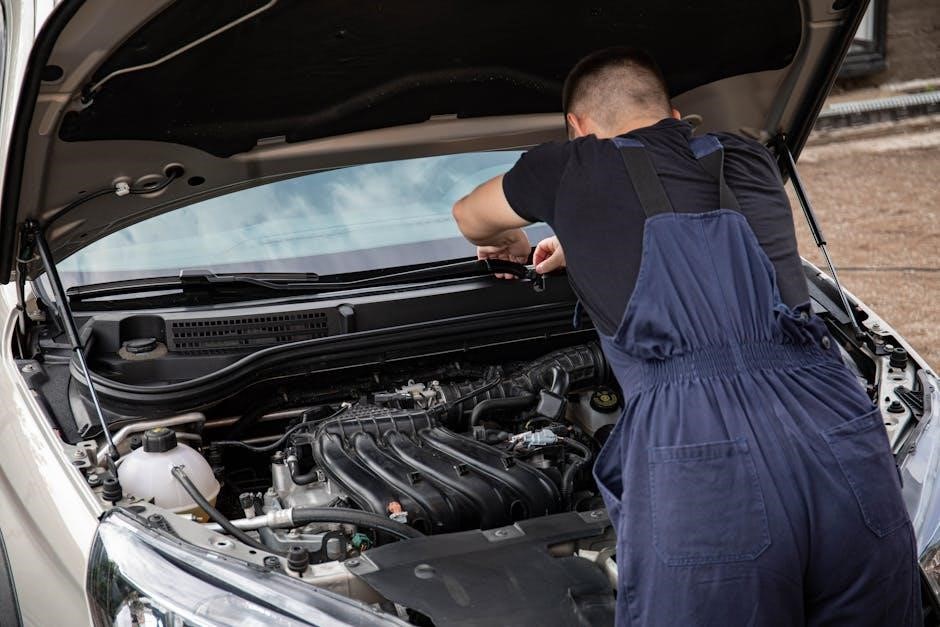
Utilize a multimeter to test the sensor’s resistance; compare the reading to the manufacturer’s specifications. If the resistance is outside the acceptable range, the sensor is likely defective and requires replacement. Proper sensor function is crucial for consistent ice quality.

Component-Specific Troubleshooting
This section details troubleshooting for key Ice-O-Matic components, including the water pump, harvest sensor, and float switch, ensuring efficient diagnosis and repair.

Water Pump Troubleshooting
Diagnosing water pump issues is crucial for consistent ice production. Begin by verifying the pump receives power; check the electrical connections and the control board for proper voltage. If power is confirmed, inspect the pump for physical obstructions like debris or mineral buildup that could impede water flow.
A common symptom of a failing pump is insufficient water entering the ice-making cycle, potentially triggering a maximum fill cycle time error (Code 5). Listen for unusual noises – humming or grinding – which indicate internal pump damage.
To test the pump’s functionality, carefully disconnect the water inlet line and briefly activate the pump. Observe if water is expelled with adequate pressure. If not, the pump likely needs replacement. Always ensure the machine is disconnected from power before performing any maintenance. Remember to consult the Ice-O-Matic service department at 1-800-423-3367 for further assistance.
Harvest Sensor Troubleshooting
The harvest sensor is vital for initiating the ice-making cycle; a malfunctioning sensor can lead to incomplete harvests or continuous operation. Begin by visually inspecting the sensor for any physical damage or misalignment. Ensure it’s securely connected to the control board.
A common issue is debris accumulation, hindering the sensor’s ability to detect ice. Carefully clean the sensor with a soft, damp cloth, avoiding abrasive cleaners. If the machine fails to enter harvest mode (ICE 4), the sensor might be faulty.
To test the sensor, use a multimeter to check for continuity when the sensor is activated (ice present). If no continuity is detected, or if the readings are inconsistent, the sensor requires replacement. Refer to the Ice-O-Matic documentation for specific testing procedures and always disconnect power before any inspection. Contact the service department at 1-800-423-3367 if needed.
Float Switch Troubleshooting
The float switch regulates the water level within the ice machine, preventing overfilling and ensuring efficient operation. If the switch malfunctions, it can cause issues like continuous filling or a lack of ice production. Start by visually inspecting the float switch and its surrounding area for any obstructions, such as ice buildup or debris.
Ensure the float moves freely within its range of motion. A restricted float can send inaccurate signals to the control board. Carefully clean the switch and its housing with a mild detergent and water.
To test the switch, use a multimeter to check for continuity when the float is in the ‘up’ (full) and ‘down’ (empty) positions. If the switch fails to operate correctly, replacement is necessary. Always disconnect power before any inspection or repair. For assistance, contact Ice-O-Matic Service at 1-800-423-3367.
Cleaning and Maintenance for Error Prevention
Regular cleaning and preventative maintenance are crucial for minimizing Ice-O-Matic error codes and ensuring long-term reliability. Scale buildup, mineral deposits, and microbial growth can significantly impact performance and trigger malfunctions. Implement a scheduled cleaning routine, including descaling the machine every six months, or more frequently in areas with hard water.
Clean the water distribution tubes, the evaporator plates, and the water reservoir regularly. Inspect and clean the air filters to maintain proper airflow. Pay close attention to the float switch and harvest sensor, ensuring they are free from obstructions.
Proper cleaning prevents issues like hollow ice cubes and inefficient ice production. Always use Ice-O-Matic approved cleaning solutions. Refer to the official Ice-O-Matic website for detailed cleaning instructions and maintenance schedules. Consistent upkeep reduces the likelihood of costly repairs and extends the machine’s lifespan.
Advanced Troubleshooting Techniques
For complex issues, utilize diagnostic mode (if available), meticulously check electrical connections, and carefully inspect the control board for any signs of damage or failure.
Using Diagnostic Mode (If Applicable)
Many Ice-O-Matic machines feature a diagnostic mode designed to assist technicians in pinpointing the source of operational problems. Accessing this mode typically involves a specific sequence of button presses, often requiring the simultaneous holding of two buttons for a set duration. Consult your specific model’s service manual for the precise activation procedure, as it varies between different Ice-O-Matic series.
Once in diagnostic mode, the control panel will display a series of codes or readings that provide insights into the machine’s internal state. These can include sensor values, compressor status, fan speeds, and error logs. Carefully record these readings and compare them to the expected values outlined in the service manual. Discrepancies can indicate a faulty component or a system malfunction. Remember to exit diagnostic mode properly after completing your assessment to return the machine to normal operation.
Checking Electrical Connections
Before inspecting any electrical components, always disconnect the ice machine from the power supply to prevent electrical shock. Begin by visually inspecting all wiring for signs of damage, such as frayed insulation, loose connections, or corrosion. Pay close attention to connections at the control board, power supply, and major components like the compressor and water pump.
Gently tug on each wire to ensure it’s securely fastened to its terminal. If a connection feels loose, tighten it appropriately. Use a multimeter to verify voltage levels at key points in the circuit, comparing the readings to the specifications in the service manual. Look for any blown fuses or tripped circuit breakers and replace or reset them as needed. Remember that faulty electrical connections can cause intermittent problems, so thoroughness is crucial during this inspection.
Inspecting the Control Board
The control board is the brain of the ice machine, so careful inspection is vital. Visually examine the board for any signs of physical damage, such as burnt components, cracked solder joints, or water damage. Look closely for any discoloration or unusual smells, which could indicate overheating. Ensure the board is securely mounted and free from vibrations.
If possible, use a multimeter to check for proper voltage at various test points on the board, referencing the service manual for specific values. Carefully inspect all connectors to ensure they are clean and firmly seated. A loose connection can cause intermittent errors. If you suspect a faulty component on the board, it’s often best to replace the entire board, as repairing individual components can be complex and unreliable. Document any findings before proceeding.
Safety Precautions & Best Practices
Always disconnect power before servicing. Follow electrical safety guidelines, use proper cleaning procedures, and know when to contact a qualified technician for repairs.
Electrical Safety Guidelines
Prioritize safety when working with Ice-O-Matic machines. Always disconnect the unit from its power source before attempting any troubleshooting or repairs. Verify the power is off using a reliable testing device to prevent accidental shock. Never work on electrical components with wet hands or while standing in a damp environment.
Inspect power cords and connections for damage before each use. Replace any frayed or damaged cords immediately. Ensure proper grounding to minimize the risk of electrical hazards. Do not bypass any safety devices, such as fuses or circuit breakers. If you are uncomfortable working with electrical components, or if you suspect a serious electrical issue, immediately contact a qualified and licensed technician. Ignoring these guidelines can lead to severe injury or damage to the ice machine.
Proper Cleaning Procedures
Regular cleaning is crucial for preventing errors and maintaining ice quality. Always disconnect the Ice-O-Matic machine from power before cleaning. Begin by removing the ice bin and washing it with warm, soapy water; rinse thoroughly. Clean the interior of the machine using an Ice-O-Matic approved cleaner, following the manufacturer’s instructions carefully. Avoid abrasive cleaners that could damage surfaces.
Pay close attention to areas prone to scale buildup, such as the evaporator and water distribution tubes. Descale the machine regularly, based on water hardness. Rinse all components thoroughly to remove any cleaner residue. Wipe down exterior surfaces with a damp cloth. Proper sanitation prevents mold and bacteria growth, ensuring safe and hygienic ice production. Refer to the Ice-O-Matic manual for specific cleaning schedules and recommendations.
When to Call a Professional Technician
While many issues can be resolved with basic troubleshooting, certain problems require expert attention. Immediately contact a qualified Ice-O-Matic technician if you encounter electrical issues, such as sparking or burning smells. Do not attempt to repair the control board yourself; it’s a complex component. Persistent error codes that don’t clear after following the manual’s instructions also warrant professional help.
If the machine is leaking water internally, or if ice production remains consistently low despite cleaning and troubleshooting, a technician is needed. Refrigerant leaks are dangerous and require specialized handling. The Ice-O-Matic Service Department (1-800-423-3367) is a valuable resource. Attempting complex repairs without proper training can void warranties and potentially cause further damage.
Ice-O-Matic Resource Links
Access official support and information for your Ice-O-Matic machine. Explore the website, contact the service department, and find ENERGY STAR qualified models.
Official Ice-O-Matic Website
The official Ice-O-Matic website (www.iceomatic.com) serves as a central hub for comprehensive resources related to their entire product line. Here, you can find detailed product specifications, downloadable manuals – including troubleshooting guides for various models like the GEM and MFI series – and parts diagrams to assist with repairs.
The website also features a frequently asked questions (FAQ) section addressing common issues and providing quick solutions.
Furthermore, users can register their machines for warranty purposes and access exclusive content. The site provides information on preventative maintenance best practices, helping to prolong the life of your ice machine and minimize downtime. It’s an invaluable resource for both end-users and service technicians seeking accurate and up-to-date information on Ice-O-Matic products.
Ice-O-Matic Service Department Contact (1-800-423-3367)
When facing complex issues or requiring expert assistance beyond self-troubleshooting, contacting the Ice-O-Matic Service Department directly is crucial. Their dedicated team of technicians possesses in-depth knowledge of all Ice-O-Matic machines and can provide tailored support for specific error codes and malfunctions. Reaching them at 1-800-423-3367 allows for a direct line to professional guidance.
Be prepared to provide your machine’s model number and a detailed description of the problem, including any error codes displayed. The service department can walk you through advanced diagnostic steps, authorize warranty repairs, or connect you with a qualified local service provider. Promptly addressing issues with professional help minimizes downtime and prevents further damage to your ice machine.
ENERGY STAR Qualified Ice-O-Matic Machines
Ice-O-Matic prioritizes energy efficiency, offering a range of machines that have earned the ENERGY STAR qualification. These models are designed to consume less energy and water while maintaining optimal ice production, resulting in lower operating costs and a reduced environmental footprint. Choosing an ENERGY STAR certified Ice-O-Matic machine contributes to sustainable business practices.
For a comprehensive and up-to-date list of ENERGY STAR qualified Ice-O-Matic machines, visit the official Ice-O-Matic website. The website provides detailed specifications and performance data for each model, allowing you to select the most energy-efficient option for your needs. Investing in an ENERGY STAR machine not only benefits the environment but also enhances long-term cost savings.