
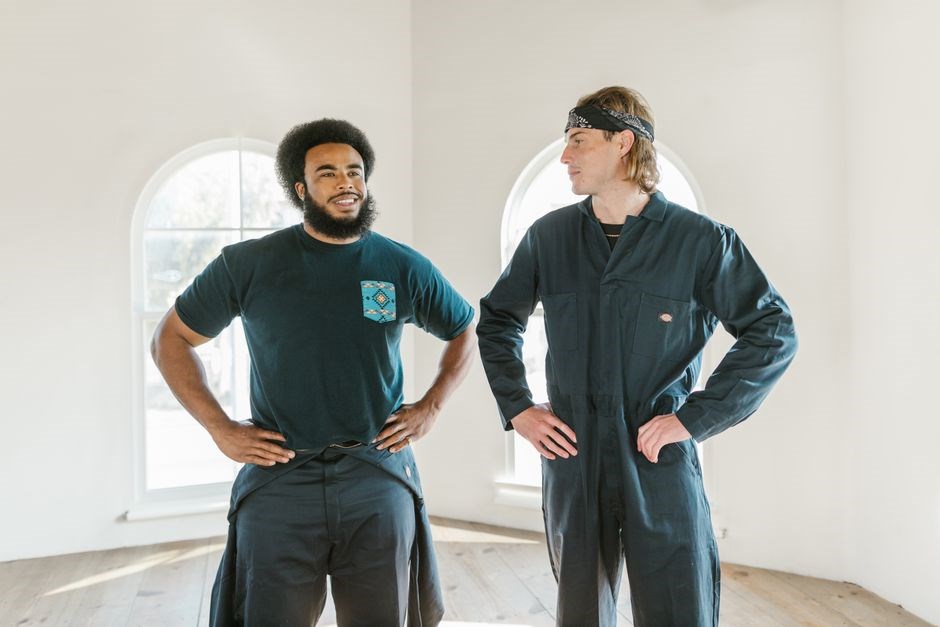
Overview of Dickies Overalls
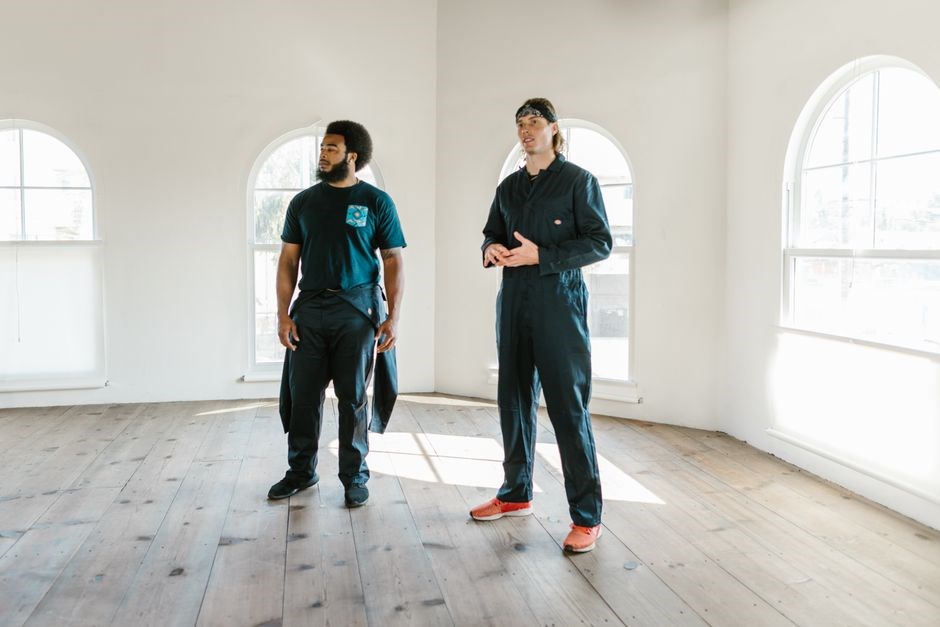
Dickies overalls blend rugged durability with modern fit. The size guide aligns waist, inseam, and chest to ensure a balanced silhouette. Measure your waist, chest, and inseam; match to the chart for US, UK, or EU. Adjust for a tailored look. Fit varies by style; try a half‑size down for a snug lookThanks
History and Popularity of the Brand
Dickies, founded in 1922 by David Dickey, began as a modest textile shop in Chicago, producing durable workwear for the burgeoning industrial sector. By the 1930s, the brand’s iconic denim overalls became a staple for factory workers, miners, and farmhands, earning a reputation for ruggedness and practicality. Post‑World War II, Dickies expanded globally, introducing a range of workwear that blended functionality with evolving fashion trends. The 1970s and 80s saw the brand’s popularity surge in the punk and grunge scenes, where the overalls symbolized anti‑establishment style. In the 1990s, Dickies leveraged collaborations with designers and musicians, cementing its status as a cultural icon. Today, the brand continues to innovate with breathable fabrics, ergonomic cuts, and sustainability initiatives, while maintaining its core identity of dependable, worker‑grade apparel. Its widespread use in film, music videos, and streetwear has kept the overalls in the public eye, making Dickies a timeless choice for both laborers and fashion enthusiasts alike.
- 1922 – Company founded in Chicago.
- 1930s – Denim overalls become workwear staple.
- 1940s – Global expansion during post‑war industrial growth.
- 1970s–80s – Adoption by punk and grunge subcultures.
- 1990s – Collaborations with designers and musicians.
- 2010s – Sustainability initiatives and eco‑friendly lines.
- 2020s – Continued relevance in streetwear and media.
In recent years, Dickies has embraced digital marketing, engaging with influencers and launching limited‑edition collaborations that resonate with younger audiences. The brand’s commitment to quality is reflected in its use of high‑denier cotton blends and reinforced stitching, ensuring longevity even under harsh conditions. Moreover, Dickies’ emphasis on inclusivity—offering a wide range of sizes and styles—has broadened its appeal beyond traditional workwear consumers, positioning the brand as a versatile wardrobe staple for all demographics. Its iconic silhouette continues to inspire designers worldwide.
Why Accurate Sizing Matters
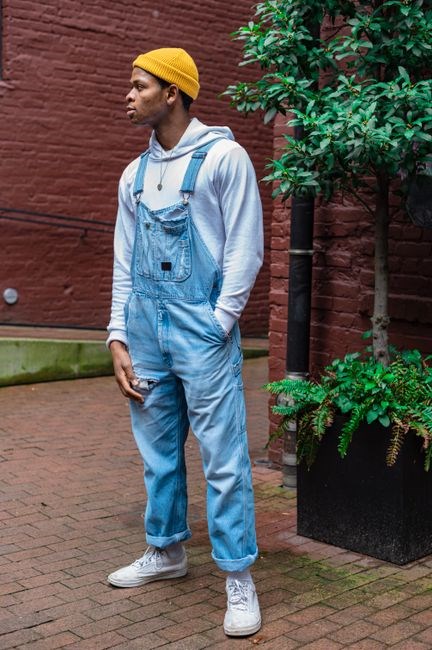
Accurate sizing ensures comfort, mobility, and a polished look. Ill‑fitted overalls can restrict movement, cause chafing, and alter proportions. By matching waist, chest, and inseam to the Dickies chart, you guarantee a balanced fit that supports work or style needs. Fit guides help avoid costly returns.!
Impact on Comfort and Style
Choosing the correct Dickies overall size directly influences both comfort and style. A well‑fitted pair allows unrestricted movement, essential for physically demanding tasks, while preventing excess fabric that can bunch or sag. When the waist and inseam match your measurements, the garment sits naturally, reducing pressure points around the hips and thighs. This not only enhances physical performance but also keeps the overall shape crisp and tidy, contributing to a professional appearance.
Style is equally affected by sizing. Oversized overalls may look casual but can create a boxy silhouette that drags on the legs, diminishing a streamlined look. Conversely, a too‑tight fit can strain the fabric, leading to visible creases and a constricted aesthetic that feels uncomfortable. By selecting the exact size from the Dickies chart, you maintain the intended cut and proportions, allowing the design details, such as pocket placement and strap length, to complement your body shape.
Additionally, proper sizing ensures that the overall’s functional features, like adjustable waist belts and reinforced stitching, perform as intended. A correctly sized waist allows the belt to tighten or loosen without compromising the garment’s structural integrity. This balance between comfort and style is critical for both everyday wear and specialized work environments, making the size guide an indispensable tool for achieving optimal fit and appearance. Ultimately, accurate sizing transforms the overall from a functional tool into a confidence‑boosting wardrobe staple Remember, a precise fit is the foundation of both durability and confidence today
Key Measurements for a Perfect Fit
Measure waist at natural crease, chest at fullest point, inseam from crotch to ankle, and height for overall length. Use a flexible tape, keep it snug but not tight. Record each value, compare to Dickies chart and choose the size that matches all three for a fit.
How to Measure Waist, Chest, Inseam, and Height
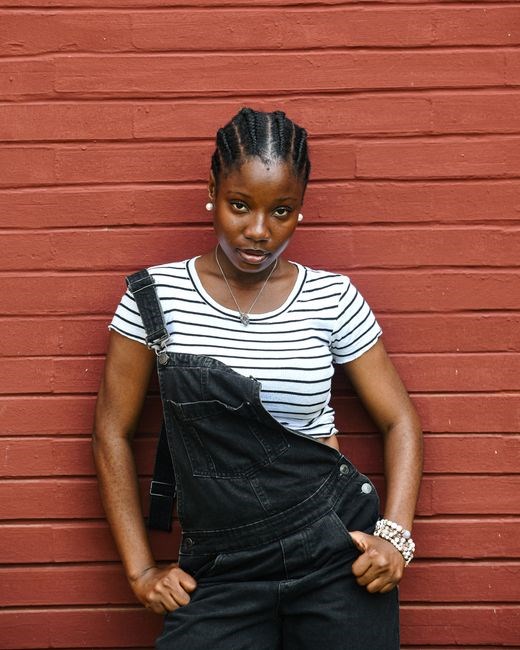
Start by gathering a flexible measuring tape, a flat surface, and a mirror. For an accurate waist measurement, stand upright and locate the natural waistline—just above the belly button. Wrap the tape around this point, ensuring it lies flat against the skin without compressing. Record the number in inches or centimeters. Next, measure the chest by placing the tape around the fullest part of the torso, typically at the nipple line for men and the widest part of the bust for women. Keep the tape level and snug, then note the reading.
The inseam is measured from the crotch seam down to the ankle bone. Have the person stand straight with feet slightly apart. Place the tape at the inner thigh, extending it down the leg to the ankle. This length determines how the overall’s leg will fall. Finally, measure height by standing against a wall with heels together, back straight, and the top of the head touching the wall. Use a ruler or tape to read the measurement from the floor to the top of the head. These four metrics—waist, chest, inseam, and height—form the foundation of the Dickies overalls size guide, ensuring a fit that balances comfort, mobility, and style for any wearer’s body type.
Standard Size Charts by Region
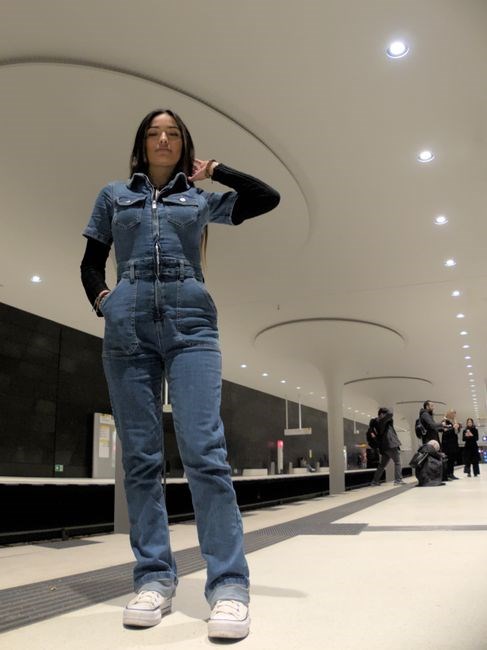
US, UK, and EU charts align waist, chest, inseam, and height. Convert inches to centimeters or vice versa. Use official tables for accurate fit. Check local sizing notes; some styles run small or large. Always compare measurements before ordering. Fit varies by style.
US, UK, and EU Size Conversion Tables
Below is a concise conversion chart for Dickies overalls, aligning US, UK, and EU measurements. Use waist (inches/cm), chest (inches/cm), inseam (inches/cm), and height (inches/cm) to locate your size. Note that some styles run slightly small; try a half‑size down for a tighter fit.
| US Size | UK Size | EU Size | Waist (in/cm) | Chest (in/cm) | Inseam (in/cm) |
|---|---|---|---|---|---|
| 30 | 30 | 44 | 28/71 | 36/91 | 30/76 |
| 32 | 32 | 46 | 30/76 | 38/97 | 31/79 |
| 36 | 36 | 50 | 34/86 | 42/107 | 33/84 |
| 38 | 38 | 52 | 36/91 | 44/112 | 34/86 |
| 40 | 40 | 54 | 38/97 | 46/117 | 35/89 |
| 42 | 42 | 56 | 40/102 | 48/122 | 36/91 |
For precise fit, compare your exact waist, chest, inseam, and height to the table. If your measurements fall between sizes, choose the larger size for comfort or the smaller for a snug look. Always read the brand’s specific sizing notes before ordering.
When converting, remember that the waist and inseam are the most critical dimensions for overall fit. If your waist is 34 inches and inseam 32 inches, you would choose US 34. For EU, that corresponds to 48. If you prefer a looser fit, opt for the next larger EU size, which is 50. Always double‑check the brand’s specific sizing guide for the best fit.
Check online! Now. Bye!

The 3-1-1 Fit Pattern Explained
The 3-1-1 fit pattern balances waist, hips, and leg length. For Dickies, a 3-inch waist drop, 1-inch hip tweak, and 1-inch inseam create a streamlined look. Measure carefully, adjust by inches for a perfect fit.
Thismethod keeps hips flat and waist snug comfort.!
Definition and Application to Dickies Overalls
The 3‑1‑1 fit pattern assigns specific proportional adjustments to waist, hips, and inseam for a balanced silhouette. The “3” denotes a 3‑inch drop from the natural waist to the lower waistband; the “1” is a 1‑inch hip tuck aligning the garment with the wearer’s hip line; the final “1” adds a 1‑inch inseam extension to ensure proper leg length. Applied to Dickies overalls, this method creates a systematic sizing approach that respects the brand’s classic high‑waist, straight‑leg construction. Measure the natural waist, add 3 inches for the overall waist; assess the hip circumference, subtract 1 inch for a snug hip fit; measure the inseam from crotch to ankle, add 1 inch for the longer leg cut. By following these precise adjustments, Dickies offers a consistent fit across styles—whether button‑fly or zip‑up—while maintaining durability and ergonomic design. The 3‑1‑1 logic is incorporated into the official Dickies size chart, allowing shoppers to cross‑reference their measurements in inches and quickly identify the recommended size. This systematic approach simplifies online sizing, reduces returns, and ensures a fit that feels supportive yet unrestricted, balancing practicality with aesthetic appeal for both industrial settings and everyday wear. Customers can also utilize the Dickies sizing calculator, which inputs waist, hip, and inseam measurements to recommend the optimal overall size. For those preferring a slightly looser fit, adding an extra inch to the waist and inseam measurements can accommodate taller frames or heavier work gear without compromising the overall aesthetic. This precise methodology ensures that every Dickies overall fits like a second skin, now shop confidently

Common Fit Problems and Solutions
Common issues include a tight waist, loose hips, or a too‑short inseam. Solutions are simple: choose a size up for a relaxed waist, use a waist‑elastic for a snug fit, add a hip‑patch for better support, or select a longer inseam model to match height for all users.
Troubleshooting Tight and Loose Overalls
If your Dickies overalls feel too tight, start by checking the waist measurement against the official size chart. A snug fit is often desirable, but if the waist pinches or the waistband sits high, try a half‑size larger or add a removable waist‑elastic band for a more forgiving fit. For a loose waist, use a waist‑elastic or a snug belt to keep the garment in place without restricting movement. If the hips are too loose, add a hip‑patch or a small elastic band across the back to create a better contour. If the overall shape feels boxy, adjust the shoulder straps or use a strap‑adjustment strap to shift the weight distribution. Always test the fit by moving your arms and bending your knees; the fabric should allow freedom of motion while staying secure. If adjustments still don’t resolve the issue, consult the retailer’s return policy or consider a tailor for precise alterations. By systematically evaluating each dimension—waist, hips, inseam, and shoulder—and applying targeted fixes, you can transform a poorly fitting pair into a comfortable, stylish staple for any work or casual setting. Remember to test the final fit after any alteration to ensure longevity and comfort. Store overalls in a cool, dry spot to avoid shrinkage and keep shape over time daily!!.
Online Shopping Tips for Dickies Overalls
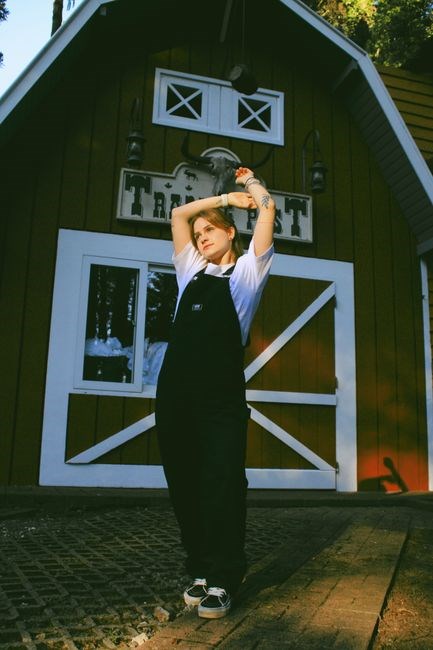
Check the official Dickies size chart before ordering. Compare your waist, chest, inseam, and height. Read customer reviews for fit insights. Use the brand’s return policy for easy exchanges. Store overalls flat to maintain shape. Keep measurements handy for future purchases. double‑check sizing charts. OK
Using the Official Dickies Size Guide and Customer Reviews
Before ordering Dickies overalls, consult the brand’s official size chart, which lists waist, chest, inseam, and height in US, UK, and EU units. Measure yourself with a soft tape, noting the smallest waist, the fullest chest, and the leg length from the crotch to the ankle. Match each value to the chart’s corresponding column; if you fall between sizes, lean toward the larger measurement to avoid a tight fit. Once you’ve selected a size, read customer reviews on the retailer’s site or independent forums. Pay special attention to comments about fit, length, and comfort, as many shoppers report that the brand’s “standard” sizing runs slightly smaller in the waist and chest than the chart suggests. Look for patterns: if several reviewers mention a “tight waist” or “short inseam,” consider ordering a half‑size up or choosing a style with a longer leg. Conversely, if reviews note a “loose fit” or “sloppy pockets,” a smaller size may be appropriate. Some sites offer a “fit finder” quiz that asks for your measurements and recommends a size based on aggregated data; use this tool to cross‑check your manual calculation. Finally, remember that Dickies overalls come in both “classic” and “modern” cuts; the former tends to have a more relaxed waist, while the latter is tailored. Align your choice with the cut described in the product description, and you’ll secure a pair that feels both functional and flattering. Additionally, check the return policy before purchase; most retailers allow a 30‑day return if the fit is off, giving you peace of mind when trying a new size. Also, consider the fabric weight—lighter fabrics may feel airy but can be less durable, while heavier cotton blends offer sturdier construction. By combining precise measurements, review insights, and policy checks, you’ll confidently choose the right Dickies overalls size for your needs. This approach ensures a well‑fitted pair that balances durability and style, and lasting comfort for work!!!?
Frequently Asked Questions
Q: How do I find my Dickies overall size? A: Measure waist, chest, inseam, compare to the official chart. Q: Do sizes run small? A: Slightly, so consider a half‑size up if between sizes. Q: Can I return? A: Most retailers allow 30‑day returns. For best fit, read reviews and use the fit finder.See chart.
How to Alter Overalls for a Custom Fit
When a Dickies overall feels too tight or too loose, tailoring can bring it back to a perfect fit. Start by measuring the waist, hips, and inseam with a flexible tape. If the waist is too tight, take in the side seams or add a waist belt. For a looser fit, add a fabric panel or use a belt to create a relaxed look. To adjust the inseam, hem the legs to the desired length, or use a longer inseam pattern if the overall is too short. For a more tailored silhouette, consider shortening the front rise or adding a gusset to the back. When altering, keep the original seam lines intact to preserve the garment’s durability. Use a matching thread and a sharp needle for a clean finish. If you’re unsure, consult a professional tailor who can assess the overall’s structure and recommend precise adjustments. Always test the fit after each alteration by wearing the overalls and walking around. This iterative process ensures the final fit is comfortable, functional, and stylish. Remember, the key to a successful alteration is patience, accurate measurements, and a clear vision of the desired look. Happy tailoring!
Tailoring overalls also allows you to adjust the pocket placement for better ergonomics. If the pockets sit too high, shift them down by a few inches; if too low, raise them. For a more modern look, you can replace the original button closures with snap fasteners or magnetic clasps, which add a subtle pop of style while maintaining structural integrity. Additionally, adding a small patch of contrasting fabric along the waistband can create a visual accent that enhances the overall aesthetic. When working with denim or canvas, be mindful of the fabric’s stretch; over‑tightening can cause puckering. Use a fabric weight that matches the original material to avoid mismatched seams. Finally, always keep a small sewing kit handy for quick field repairs, especially if you plan to wear the overalls in rugged environments. By following these steps, you can transform a standard pair into a personalized, comfortable, and fashion‑forward garment that reflects your unique style. Add style. Perfect fit achieved. Custom tailoring ensures. Enjoy your new look! Stay stylish! Be proud.
Adjust to preserve fabric integrity.!!!!