
Ecosmart Tankless Water Heater Manual: A Comprehensive Guide
Welcome! This detailed manual provides essential guidance for installing, operating, and maintaining your Ecosmart tankless water heater, ensuring optimal performance and longevity.
This guide covers everything from initial setup and safety precautions to troubleshooting and routine maintenance, maximizing your hot water experience.
Ecosmart tankless water heaters represent a modern leap in home hot water technology, offering a compelling alternative to traditional tank-based systems. Unlike conventional heaters that continuously heat and store water, Ecosmart units heat water on-demand, eliminating standby heat loss and significantly boosting energy efficiency.
This manual serves as your comprehensive resource for understanding and utilizing the full potential of your Ecosmart system. We’ll guide you through the installation process, emphasizing crucial safety precautions, and detail the operational aspects to ensure consistent, reliable hot water delivery. Proper understanding of this manual will maximize your user experience.
Key Features and Benefits
Ecosmart tankless water heaters boast a range of impressive features designed for convenience and efficiency. The core benefit is on-demand hot water – no more running out mid-shower! Their compact size offers a space-saving design, freeing up valuable room compared to bulky tank heaters.
Furthermore, Ecosmart units deliver substantial energy savings, reducing your utility bills. Advanced self-modulating technology optimizes performance, and digital temperature control provides precise adjustments. Enjoy consistent water temperatures and a longer lifespan, backed by a robust warranty, making Ecosmart a smart investment.
Energy Efficiency & Cost Savings
Ecosmart tankless water heaters significantly reduce energy consumption by heating water only when needed, eliminating standby heat loss common in traditional tanks. This “on-demand” approach translates directly into lower monthly energy bills and a reduced carbon footprint.
By avoiding the constant reheating of water, Ecosmart units offer substantial cost savings over their lifespan. The precise temperature control further optimizes energy use, and many models qualify for rebates and incentives, maximizing your financial benefits. Invest in efficiency and enjoy long-term savings!
On-Demand Hot Water

Ecosmart tankless water heaters deliver a continuous supply of hot water, eliminating the frustrating wait associated with traditional tank systems. Unlike tanks that store and reheat water, these units heat water instantly as it flows through the unit, providing an endless source of hot water for showers, appliances, and faucets.
Enjoy simultaneous hot water use without experiencing a drop in temperature. This feature is ideal for families or households with high hot water demands, offering convenience and comfort. Say goodbye to cold showers and hello to unlimited hot water!
Space Saving Design
Ecosmart tankless water heaters boast a remarkably compact design, freeing up valuable space in your home. Traditional tank water heaters occupy significant floor space, often requiring a dedicated room or closet. These tankless units, however, mount directly to the wall, offering a sleek and unobtrusive profile.
This space-saving feature is particularly beneficial for smaller homes, apartments, or areas where space is at a premium. Reclaim your living areas and enjoy the convenience of a high-performance water heater without sacrificing valuable square footage. It’s a smart solution for modern living!
Safety Precautions
Prioritizing safety is crucial when installing and operating your Ecosmart tankless water heater. Always disconnect the power supply before performing any maintenance or repairs. Improper installation can lead to electrical hazards or water damage, so adhere strictly to the provided instructions.
Ensure proper ventilation to prevent the buildup of harmful gases. Never operate the unit if it shows signs of damage. Regularly inspect water connections for leaks. Following these precautions will guarantee safe and reliable operation, protecting both your property and your well-being.
Electrical Safety
Critical electrical safety measures must be followed during installation and maintenance. This unit requires a dedicated circuit with the correct voltage and amperage – verify this before connecting. Always disconnect the main power supply before working on any electrical components.
Improper wiring can cause fire or electric shock. Grounding the unit correctly is essential for safety. If you are uncomfortable with electrical work, consult a qualified electrician. Never attempt to modify the wiring or bypass safety features. Adherence to these guidelines is paramount for preventing hazards.
Water Connection Safety
Proper water connections are vital to prevent leaks and ensure safe operation. Before connecting, flush the water lines to remove debris. Use appropriate plumbing fittings and sealant, ensuring a watertight seal. Check for leaks immediately after installation and periodically thereafter.
Avoid over-tightening fittings, which can damage the unit or pipes. The water heater must be installed with a dielectric union to prevent corrosion. Always adhere to local plumbing codes and regulations. Failure to follow these precautions could result in water damage or system failure.
Installation Overview
Professional installation is strongly recommended, though capable homeowners can undertake it. The process involves mounting the unit, making electrical connections, and establishing plumbing connections. Ensure the chosen location meets ventilation requirements and is accessible for maintenance.
Carefully review the included wiring diagram and plumbing schematics before beginning. A pre-installation checklist will help verify readiness. Following the detailed instructions precisely is crucial for safe and efficient operation. Remember to test for leaks and proper functionality after completion.
Required Tools and Materials
Essential tools include a voltage tester, wire strippers, adjustable wrenches, pipe wrenches, a screwdriver set, and a drill with appropriate bits. Plumbing supplies needed are copper or PEX piping, fittings, Teflon tape, and pipe dope.
Electrical components require appropriately sized wire, conduit, and connectors. Safety gear like gloves and eye protection are vital. Verify local codes for specific requirements. Having all materials readily available before starting streamlines the installation process, preventing delays and ensuring a smooth setup.
Pre-Installation Checklist
Before you begin, confirm your electrical panel has sufficient capacity for the heater’s amperage. Verify the existing gas line (if applicable) meets requirements. Inspect the intended installation location for adequate ventilation and accessibility for maintenance.
Ensure you have all necessary permits and comply with local plumbing and electrical codes. Check water supply line compatibility and pressure; Review the unit’s specifications to confirm it suits your hot water demands. A thorough pre-installation check prevents issues during and after setup.
Detailed Installation Instructions
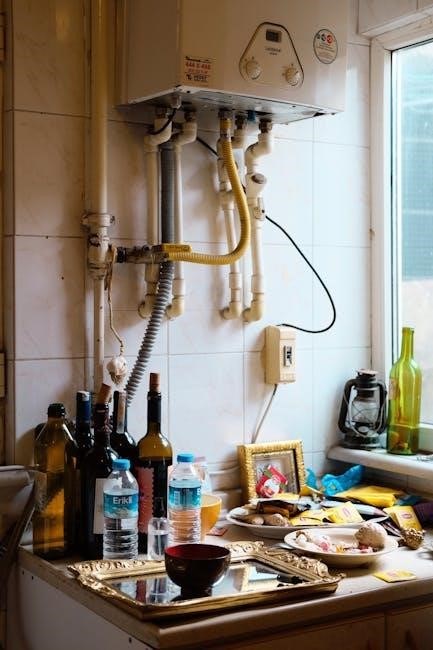
Begin by securely mounting the unit to the wall, ensuring proper leveling. Connect the cold water inlet and hot water outlet using appropriate fittings, applying pipe sealant. Carefully follow the electrical wiring diagram, connecting the power cables according to local codes.
Double-check all connections for tightness and proper grounding. Flush the water lines to remove debris before connecting to the heater. After completing connections, proceed to the initial startup procedure, carefully monitoring for leaks or electrical issues.
Electrical Wiring Diagram
Refer to the detailed diagram provided within this manual for correct wiring. Typically, Ecosmart heaters require a dedicated circuit with the appropriate amperage, often 30-60 amps depending on the model. Ensure the breaker is switched off before commencing any electrical work.
Connect the black wire to the hot lead, white wire to neutral, and green or bare copper wire to ground. Improper wiring can cause damage or pose a safety hazard; professional installation is recommended. Always verify local electrical codes and regulations.

Plumbing Connections
Before connecting, flush the lines to remove debris. Connect the cold water inlet (usually marked) to your water supply using appropriate fittings – typically ¾ inch NPT. Install a shut-off valve for easy maintenance. The hot water outlet connects to your existing hot water pipes.
Use Teflon tape on all threaded connections to prevent leaks. Ensure all connections are tight but avoid over-tightening. A pressure relief valve is crucial for safety; connect it according to local plumbing codes.
Operating Instructions

To begin, ensure the unit is properly installed and electrical connections are secure. The Ecosmart tankless heater activates on-demand when hot water is turned on at a fixture. Adjust the desired temperature using the control panel – start with a moderate setting.
Observe the flow rate and temperature rise to find your optimal settings; Remember that colder inlet water temperatures require higher settings. Familiarize yourself with the display panel indicators for error codes or operational status. Regular use will help you understand your heater’s performance.
Initial Startup Procedure
Before first use, thoroughly flush the water heater to remove any debris from the installation process. Open a hot water faucet and allow the unit to run for several minutes until the water flows clear and consistently.
Verify proper electrical connection and ensure the unit powers on. Gradually increase the temperature setting, monitoring the water temperature at the faucet. Check for any leaks around plumbing connections. This initial flush and temperature check are crucial for optimal performance and longevity.
Temperature Adjustment
Adjusting the temperature is simple using the control panel. Incrementally increase or decrease the desired water temperature, allowing a few moments for the change to take effect. Avoid setting excessively high temperatures to prevent scalding and conserve energy.
Consider the climate and household needs when selecting a comfortable temperature. Regularly monitor the output temperature to ensure it meets your expectations. Remember that temperature rise is affected by incoming water temperature and flow rate, impacting the final output.
Understanding Temperature Rise and Flow Rate
Temperature rise refers to the difference between incoming water temperature and the desired hot water output. Flow rate, measured in gallons per minute (GPM), dictates how much water is heated at a given time.

These factors are interconnected; a higher flow rate reduces temperature rise, while a lower flow rate increases it. Understanding this relationship is crucial for achieving optimal performance. The unit’s capacity chart illustrates maximum temperature rise for various flow rates, aiding in proper setting adjustments.
Temperature Rise Chart Explanation
The temperature rise chart is a vital tool for understanding your Ecosmart heater’s capabilities. It displays the maximum temperature increase achievable at specific flow rates. For example, a lower flow rate (e.g., 2 GPM) will yield a higher temperature rise than a higher flow rate (e.g., 4 GPM).
Referencing this chart during installation and operation ensures you select appropriate settings for your needs. Consider your incoming water temperature and desired hot water temperature to determine the optimal flow rate for consistent, comfortable results;
Aerator Importance for Optimal Performance
Aerators, installed on your faucets and showerheads, are crucial for maximizing the efficiency of your Ecosmart tankless water heater. They mix air with the water stream, reducing water usage without sacrificing perceived water pressure. This is key because tankless heaters have a limited capacity.
Using aerators allows the heater to achieve a higher temperature rise, delivering comfortably hot water even with moderate flow rates. Without them, you might experience reduced hot water volume or inconsistent temperatures, hindering optimal performance.
Troubleshooting Common Issues
Encountering problems? This section addresses frequent concerns with your Ecosmart tankless heater. No hot water often indicates an electrical issue – check the breaker and wiring. Low water pressure could stem from clogged filters or partially open valves; inspect and clean accordingly.
Remember to consult the detailed sections on electrical safety and plumbing connections before attempting any repairs. If issues persist, contact a qualified technician. Ignoring problems can lead to further damage or unsafe operating conditions. Prioritize safety and follow instructions carefully.
No Hot Water
Experiencing a lack of hot water? First, verify the unit is powered on and the circuit breaker hasn’t tripped. Check the electrical connections, ensuring they are secure and undamaged. Confirm the gas supply (for gas models) is active and sufficient. Inspect the flow sensor; it might be blocked or malfunctioning.
Low incoming water temperature can also be a factor, especially in colder climates. Ensure proper wiring according to the diagram. If the problem continues, consult a qualified technician for diagnosis and repair – do not attempt complex fixes yourself.
Low Water Pressure
Reduced hot water flow? Low water pressure is a common concern. First, check if the issue affects all faucets or just the one connected to the Ecosmart heater. Inspect the inlet filter for sediment buildup, as this is a frequent cause of restricted flow. Ensure the shut-off valve is fully open.
Consider the overall plumbing system; pressure regulators or partially closed valves elsewhere can impact performance. An aerator might be clogged, restricting water flow. If the problem persists, a professional plumber can diagnose and resolve underlying pressure issues.
Maintenance and Care
Regular maintenance extends your Ecosmart heater’s life and ensures peak efficiency. Descaling is crucial, especially in areas with hard water, to prevent mineral buildup that reduces performance. Frequency depends on water hardness – typically annually, but more often in hard water regions.
Periodically clean the inlet filter to remove sediment. Inspect connections for leaks. Maintaining optimal performance also involves understanding the importance of an aerator. Following these simple steps will keep your tankless water heater operating reliably for years to come.
Descaling Procedures
Descaling removes mineral buildup affecting heater efficiency. Use a descaling solution specifically designed for tankless water heaters – avoid vinegar, which can damage components. Follow the solution’s instructions carefully, typically involving circulating it through the unit for a specified duration.
Flush the system thoroughly with clean water after descaling; Repeat if necessary for heavily scaled units. Regular descaling, based on water hardness, prevents performance decline and extends the lifespan of your Ecosmart tankless water heater, ensuring consistent hot water delivery.
Filter Cleaning
Regular filter cleaning is crucial for maintaining optimal performance and preventing damage to your Ecosmart tankless water heater. Locate the filter, typically at the water inlet, and shut off the water supply before removal. Inspect the filter for sediment and debris; rinse thoroughly under clean water pressure.
Reinstall the cleaned filter securely, ensuring a tight seal. Frequency depends on water quality, but monthly checks are recommended. A clean filter ensures consistent water flow and prevents scaling, prolonging the heater’s life and maintaining efficient operation.